

flexible PCBs be used in IoT devices
The Internet of Things, or IoT, has grown from a buzzword to an integral part of modern technology and everyday life. IoT is a network of connected devices that allow for the exchange of data to improve efficiency, optimize operations and provide new insights into your daily life. While the IoT revolution has impacted many industries, it also poses challenges when designing PCBs for these devices. For example, IoT devices often operate in harsh environments with high copper tensile strength and require high-speed performance to transmit real-time data. To meet these challenges, manufacturers need PCBs with design flexibility and ruggedness, such as those produced by flex and HDI boards.
IoT devices are increasingly sophisticated and specialized to fit various user needs. This has pushed the industry to develop circuits that can conform to unique shapes, such as those found in wearable technologies like fitness trackers and smartwatches. Additionally, IoT devices must be able to withstand a variety of dynamic stresses and shocks. To meet these demands, flex and HDI PCBs are the ideal solution because of their durability and ability to withstand high-speed signals.
Using flexible pcb for IoT applications can help manufacturers design products that are more functional, user-friendly and aesthetically pleasing. For example, a leading smartphone manufacturer recently incorporated flexible PCBs into its foldable phone. This allowed the device to feature a dual screen while maintaining a compact size and slim profile. Similarly, a popular fitness tracker features a curved display optimized to the contours of the wrist. This enables the tracker to offer users an easy-to-use and attractive interface while remaining durable against vibration and shock.
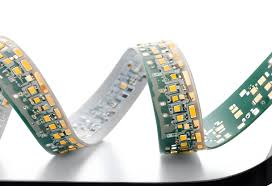
Can flexible PCBs be used in IoT devices?
In addition, flexible PCBs can save on weight by eliminating the need for mechanical connectors. This reduces nearly 95% of the total weight of the device while lowering assembly costs and making it easier to integrate into tight spaces. Furthermore, a single flexible circuit can support multiple interconnects that would normally require a series of rigid boards. This can significantly lower production costs, and it can also reduce power consumption by eliminating the need for multiple boards in a product.
Flex PCBs can be used in a variety of IoT devices, from consumer electronics to industrial and medical equipment. In fact, a number of medical devices use flex and rigid-flex PCBs to achieve high-performance and compact size. Moreover, these circuits can be customized to meet the specific needs of the device by adding additional layers and materials for extra stability.
When selecting a flexible PCB, it’s important to know the different types and classes available. This will ensure you select the right board for your project. IPC Type I flex PCBs are ideal for dynamic flex applications because they have one conductive layer and are accessible from one side only. They are also less expensive than IPC Type II flex PCBs, which have two conductive layers and are plated through holes. Regardless of the type you choose, you should always conduct thorough virtual prototyping to ensure your circuit fits into the IoT device form it’s designed for.