

ceramic printed circuit boards play in LED lighting
The ceramic PCB is a circuit board that utilizes a special material called alumina or aluminum oxide. It is an advanced inorganic compound with a wide range of beneficial properties. For instance, it has a high dielectric constant and can tolerate high temperatures. These traits are crucial for the manufacture of high-frequency electronic devices, such as RF devices. Additionally, the ceramic material has a low coefficient of thermal expansion and allows for better heat dissipation.
There are three main types of ceramic PCBs on the market based on their manufacturing method. These include LTCC, HTCC, and electroceramics. LTCC circuit boards are made by combining raw ceramic materials with an organic binder and spreading the mixture on sheets to dry. Then, holes are drilled following the design layout and screen printing is used to print the circuitry. Afterward, the board is baked at between 850 and 900 degrees Celsius in an oven. HTCC circuits are similar to LTCC except they are designed for use in high-temperature environments.
In order to make a ceramic printed circuit board, the manufacturer will first draw a schematic on a computer and then convert it into a plotter film. The resulting film will contain layer details that will guide the copper-binding process. Then, the layer is coated with dielectric and a conductor layer is printed using silver or gold pastes. Depending on the application, the conductor layer can be between 10 and 13 microns in thickness.
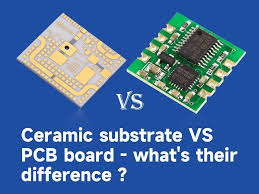
What role do ceramic printed circuit boards play in LED lighting?
After the layers are stacked together and soldered, the board will be passed through an oven to semi-cure the copper and bond it to the ceramic. It will then be etched to reveal the printed circuitry and pass through an additional oven that will cure the solder mask ink. The manufacturer will then chemically plate the traces with either silver or gold to ensure that they are conducive for soldering and electrical contact.
Ceramic PCBs are an ideal choice for many applications, including LED lighting. They help to improve the performance of LED modules, prolonging their lifespan and enhancing the quality of light output. They also help to prevent LED modules from overheating by allowing for better heat dissipation.
The benefits of ceramic PCBs include a lower cost, faster processing, and superior reliability and durability. They are also resistant to corrosion and moisture, making them a good choice for electronics that will be exposed to harsh conditions.
When choosing a company to produce your PCBs, it is important to look for one that adheres to industry standards and has robust quality assurance processes in place. Also, look for companies with the equipment and technology to meet your specific size, complexity, and volume requirements. The company you choose should also have a track record of providing customers with exceptional products and service. If you have any questions or concerns, be sure to get in touch with a customer service representative. They will be able to answer your questions and assist you in selecting the right product for your project.