
PCB Stiffener in Wearable Electronics
PCBs are subject to mechanical stress during manufacturing, assembly, and use. Stiffeners strengthen the circuit boards to resist bending or warping and prevent damage. They also enhance component support, which minimizes stress on solder joints and trace lines, preventing failures and short circuits. This ultimate guide to pcb stiffener explores their varieties, functions, and methods of application. It discusses their advantages and disadvantages and examines how they impact flexible and rigid-flex PCBs.
The rise of wearable electronics is driven by new technological advancements that allow for slimmer, more compact, and sleeker form factors. Whether it’s wristwatches that keep track of your heart rate and other vital signs, or fitness wearables that monitor your workout, the compact size of these devices requires the flexibility of flex or rigid-flex circuits to house all of their components. Using a combination of traditional PCBs and flex circuits allows designers to incorporate complex shapes and features that would be impossible with rigid circuits alone. Flex circuits offer several unique benefits that make them essential for the next generation of innovative gadgets, including the ability to connect to sensors, wireless communication technology, and a variety of external connectors.
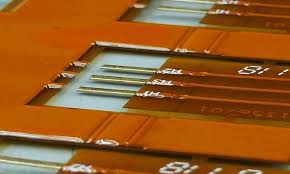
In order to maintain their sleek and compact form factors, flex circuits require the assistance of PCB stiffeners to provide the necessary stability. Stiffeners are thin and thin strips of rigid material that help a flex circuit retain its shape during use. They are attached to the flex circuit using an adhesive and can be made of various materials. The type of stiffener required depends on the intended design, as well as the level of flexing and bending it will undergo.
The Role of a PCB Stiffener in Wearable Electronics
Choosing the right stiffener material is crucial for ensuring mechanical stability and durability. The stiffener’s connection method to the flex circuit should be taken into consideration as well, as this will affect the rigidity and bending of the final product. For example, thermal bonding requires the use of heat and pressure to attach the stiffener to the flex circuit, which can increase production times.
The most commonly used stiffener materials include FR4 and polyimide (Kapton). FR4, which is composed of layers of woven glass-fiber laminate impregnated with epoxy resin, offers superior mechanical strength and dimensional stability. It is a durable and reliable choice that can withstand high temperatures and has great electrical insulation properties. Polyimide, on the other hand, is a low-cost and highly resilient stiffener material that can be made into multiple layers to achieve the desired thickness.
It is a good option for applications that require resistance to moisture and chemicals, such as medical and aerospace equipment. It is also a popular choice for applications that require a high level of electromagnetic interference (EMI) shielding. Stiffeners can also be made of metals such as stainless steel and aluminum, which offer corrosion resistance and sturdiness. These options are typically more expensive, however, and require more advanced manufacturing processes than FR4 and polyimide.