

pc board
PC board assembly, also known as PCB (Printed Circuit Board) assembly, stands as a cornerstone process in the electronics industry. It’s the pivotal stage where individual electronic components are integrated onto a PCB to create functional electronic systems. From smartphones to industrial machinery, nearly every electronic device relies on this intricate process for its functionality.
At its core, PC board assembly involves soldering electronic components onto a bare PCB. This seemingly straightforward task encompasses a myriad of complexities, from component placement to soldering techniques, necessitating precision and expertise. With the constant evolution of technology, the demands on PC board assembly have grown exponentially, pushing manufacturers to innovate and optimize their processes continuously.
One of the critical aspects of pc board assembly is component placement. Modern electronic devices pack an increasing number of functionalities into smaller form factors, demanding densely populated PCBs. Achieving optimal component placement involves striking a delicate balance between functionality, space utilization, and thermal management. Advanced assembly technologies, such as automated pick-and-place machines, have revolutionized this aspect, enabling high-speed and high-precision component placement.
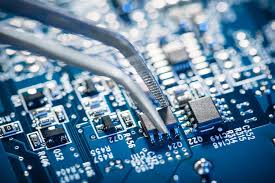
pc board assembly
Soldering, the process of joining components to the PCB, is another crucial step in assembly. Traditionally performed manually, soldering has undergone significant automation and refinement over the years. Techniques like surface mount technology (SMT) and reflow soldering have become standard, allowing for precise and reliable connections while minimizing human error. Furthermore, the emergence of lead-free soldering has addressed environmental concerns while maintaining solder joint integrity.
Quality control is paramount in PC board assembly to ensure the reliability and longevity of electronic devices. Advanced inspection techniques, including automated optical inspection (AOI) and X-ray inspection, have become indispensable for detecting defects such as solder bridging, missing components, and misalignment. These inspection methods not only enhance product quality but also streamline the assembly process by identifying issues early, reducing rework and scrap.
The evolution of PC board assembly is closely intertwined with the broader trends in the electronics industry. The rise of miniaturization, driven by consumer demand for smaller and sleeker devices, has spurred innovations in assembly techniques and equipment. Manufacturers are continually investing in research and development to stay ahead of the curve, exploring novel materials, processes, and technologies to meet evolving market demands.
Another significant trend shaping PC board assembly is the growing emphasis on sustainability and environmental responsibility. Manufacturers are adopting eco-friendly practices such as recycling waste materials, reducing energy consumption, and eliminating hazardous substances from the assembly process. Additionally, modular design approaches enable easier disassembly and recycling of electronic products, contributing to a circular economy.
The future of PC board assembly promises further advancements driven by emerging technologies. Additive manufacturing, commonly known as 3D printing, holds the potential to revolutionize PCB fabrication by enabling rapid prototyping and customized designs. Similarly, the integration of artificial intelligence and machine learning algorithms can optimize assembly processes, improve quality control, and predict maintenance needs proactively.
In conclusion, PC board assembly is the backbone of the electronics industry, playing a pivotal role in bringing electronic devices to life. As technology continues to advance, manufacturers must adapt and innovate to meet the evolving demands of efficiency, reliability, and sustainability. By leveraging automation, advanced inspection techniques, and emerging technologies, the future of PC board assembly holds immense potential for revolutionizing electronics production and shaping the world of tomorrow.