

Ensure Quality Control in PCB SMT Assembly
The manufacturing process of a printed circuit board is complicated and requires meticulous attention to detail to ensure the end product meets all required standards and performs as intended. Failure to do so could result in product recalls and expensive lawsuits. That’s why it is so important to value quality control in pcb smt assembly. It can help prevent defective products and protect a company’s reputation in the marketplace.
The first step in the PCB assembly process involves selecting high-quality components. This is especially important because PCBs are used in a variety of electronic devices and may come into contact with a wide range of substances. To ensure the quality of components, manufacturers should make sure they are purchased from reliable suppliers and that all the necessary inspections and testing procedures have been completed.
Next, the CM must ensure that each step of the assembly process is followed correctly. For example, the soldering temperature must be carefully controlled to avoid defects like shorts and poor connections. The CM must also ensure that the PCBs remain in each soldering zone for the correct amount of time and that they have cooled completely before being handled or moved. The CM should also have strict cleanliness standards in place to prevent contamination that could affect the performance of the assembled product.
Surface mount technology (SMT) is a highly automated technique that uses precise machinery for most processes, eliminating the potential for human error. This helps to elevate the quality of the finished product, which is more likely to meet customer expectations and reduces the risk of costly warranty claims or recalls. Moreover, SMT produces more boards in the same amount of time as through-hole technology, making it more cost efficient.
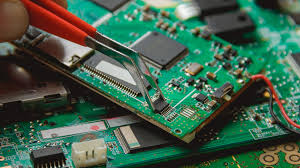
How to Ensure Quality Control in PCB SMT Assembly
Because the process relies more on solder joints than through-hole technology, it is even more critical to ensure that these joints are of the highest quality. This is because any defect in the solder joint could impact the reliability of the assembly and possibly lead to a malfunction or breakdown of the device.
In addition, SMT requires a higher degree of precision than through-hole assembly. This makes it difficult to inspect the finished product by hand, and therefore, necessitates the use of inspection equipment. AOI machines can detect errors in the solder paste printing process, component placement, and reflow soldering. In addition, AOI can also provide insight into the causes of these errors, such as tombstones, misplacement, orientation, bridging, and empty solder.
The most common way to ensure that a product is of the best possible quality is to perform a thorough visual inspection prior to shipment. This can identify any issues that might be affecting the functionality of the final product and allows companies to fix them before they are sent out for sale. This process can also save a significant amount of money in the long run by reducing repair costs and scrapping non-repairable parts. To maximize the benefits of this process, it is important to use a reliable AOI machine that can detect even the smallest defects.