

Cost of HDI Boards Compare to Multi-Layer Boards
The electronics industry is focusing on HDI or High-Density Interface boards right now. These boards allow for much more components to be placed on a single PCB and fit in minuscule form factors. They require higher-tech machines and more advanced techniques to make, which would seem to indicate that they are pricier than standard PCBs. But is that really true? And how can you determine whether an HDI board is worth the extra cost? This article takes a look at the many different factors that influence the cost of hdi boards and reveals the answer to that question.
The choice of materials for a circuit board has a direct impact on its manufacturing cost. In order to reduce the cost of your circuit board, it is important to choose the right materials that can deliver both quality and affordability. The material used for your circuit board will determine the thickness, copper content, and lamination layers. It will also determine the size and type of vias that can be used, and how they are drilled and plated. Choosing the right materials is crucial to your circuit board’s functionality and durability, and it can significantly impact its life cycle.
A typical PCB uses a through-hole method to connect the components, but HDI PCBs use microvias instead. Microvias are created using laser drilling technology, and they can be a much more precise and effective way of connecting the layers of a PCB. They allow for the connections to be made without exposing the wiring on the surface of the board, which can increase the circuit density and reduce overall costs.
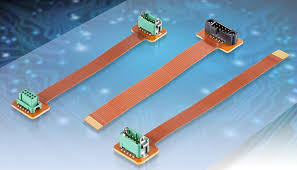
How Does the Cost of HDI Boards Compare to Multi-Layer Boards?
HDI PCBs also utilize the via-in-pad and blind via processes, which help to decrease the amount of space needed for the components on a circuit board. These processes reduce the number of stubs that are caused by through-holes and shorten the signal paths. This allows for better signal integrity and reduces the exchange noise that occurs when transmitting signals.
The design of a HDI circuit board is another significant factor in its cost. In order to keep the cost down, it is best to consult a qualified manufacturer early on in the design process. They can assist you in finding a suitable stackup for your board that will achieve an optimal balance between price, manufacturability, and performance.
It is also a good idea to avoid having your circuit boards produced on an expedited basis. Rush orders can cause additional costs due to the time required for production, and this can have a direct impact on the final price of your circuit boards. It is always better to plan ahead and work with a trustworthy supplier like SprintPCB that can offer fast production cycles and excellent customer service.