

prevent tombstoning during Pcb assembly companies
Tombstoning, also known as the “Manhattan effect,” is a common defect in PCB assembly where one end of a surface-mount component lifts from the pad and stands upright, resembling a tombstone. This issue is prevalent with smaller components like resistors and capacitors, especially in high-speed automated production environments. Preventing tombstoning is crucial for PCB assembly companies to ensure reliable and functional electronic assemblies. Several strategies and best practices can be employed to minimize the occurrence of this defect.
One of the primary causes of tombstoning is uneven heating during the reflow soldering process. If one end of the component heats up and melts the solder before the other end, the surface tension of the molten solder can pull the component upright. To prevent this, it is essential to ensure uniform heating across the PCB. Using a well-profiled reflow oven with controlled temperature zones can help achieve even heat distribution. Thermal profiling tools can be used to monitor and adjust the heating process, ensuring that the entire pcb assembly companies reaches the appropriate temperature simultaneously.
Another critical factor in preventing tombstoning is the use of proper pad design and layout. The size and shape of the pads should be optimized to ensure balanced solder joint formation. Pads that are too large can result in excessive solder, while pads that are too small might not provide sufficient contact area. Ensuring that both pads for a given component are of equal size and have similar thermal masses can help maintain balance during reflow. Additionally, the spacing between pads should be carefully considered to avoid excessive solder bridging, which can also contribute to tombstoning.
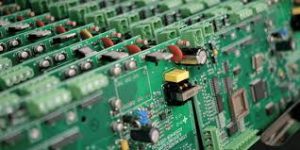
How do you prevent tombstoning during Pcb assembly companies?
Solder paste application is another area that requires careful attention. Uneven or insufficient solder paste deposits can lead to imbalanced solder joint formation, increasing the risk of tombstoning. Using high-quality stencils and ensuring precise alignment during paste application can help achieve consistent solder paste deposits. The thickness of the solder paste layer should be uniform across all pads, and the paste should be applied in the correct volume to avoid excess or deficiency.
Component placement accuracy is also crucial in preventing tombstoning. Misaligned components can exacerbate the imbalance during soldering, making it more likely for one end to lift. Automated pick-and-place machines should be properly calibrated and maintained to ensure accurate component placement. Regular inspection and adjustment of the placement equipment can help maintain precision, reducing the likelihood of tombstoning.
The choice of solder paste and flux can significantly impact the occurrence of tombstoning. Solder pastes with good wetting properties and appropriate viscosity can help form strong, balanced solder joints. The flux should provide adequate activation to promote even solder flow and adhesion. Some flux formulations are specifically designed to minimize defects like tombstoning by enhancing the wetting balance between pads.
Additionally, controlling the ramp rate during the preheat stage of reflow soldering is important. A slow and controlled ramp rate allows for gradual heating of the PCB, reducing thermal shock and ensuring even temperature distribution. This controlled heating helps both ends of the component to reach the solder melting point simultaneously, minimizing the risk of tombstoning.
Another preventive measure is the use of adhesives in some cases, especially for very small components. Applying a small dot of adhesive under the component can hold it in place during the reflow process, preventing it from lifting. However, this method adds an extra step to the assembly process and may not be suitable for all types of components or production environments.
In conclusion, preventing tombstoning in PCB assembly requires a multifaceted approach that includes optimizing reflow profiles, ensuring precise pad design and solder paste application, maintaining accurate component placement, selecting appropriate solder materials, and controlling the preheat ramp rate. By carefully managing these factors, PCB assembly companies can significantly reduce the occurrence of tombstoning, leading to higher quality and more reliable electronic products. This comprehensive approach not only enhances product performance but also reduces rework and increases overall production efficiency.