

Hand Solder Components For PCB Manufacturing Assembly
PCB assembly is the process of inserting components and soldering them to a Printed Circuit Board (PCB). The most common types of PCBs are surface mount technology (SMT) and through-hole technology (THT). Both methods of assembling a pcb manufacturing assembly require skilled and experienced operators to ensure quality.
Some components are too small to be placed automatically by a pick-and-place machine. These include standard SMDs, like resistors, diodes, and integrated circuits. In addition to SMDs, there are also other small components that can only be placed by hand. These include capacitors, switches and mechanical parts, such as studs and spacers. Some of these parts have a low melting point, and cannot withstand the heat of the automated soldering process.
There are a few reasons that some SMDs may need to be soldered by hand, such as a missing or damaged component or an error in the pcb design. These mistakes can be difficult to identify with a microscope, and fixing them requires reworking the component or replacing it.
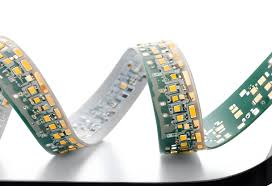
Can You Hand Solder Components For PCB Manufacturing Assembly?
In order to correctly place these small components, the operator must be careful to use a clean work area. This helps ensure that the component will sit properly on the pads, which are electrical connections on the pcb that carry electronic signals between different parts of the pcb manufacturing assembly. The pads are usually insulated with green, blue or red solder mask. These masks are used to prevent the copper traces and components from contacting each other, and they provide an effective barrier to stray electromagnetic fields.
Another important consideration is the ability to see the component with a magnifying lens, and to apply a consistent amount of pressure when placing it. Inexperienced operators can apply too much or too little pressure, which can damage the component or leave it sitting improperly on the pads. It is also crucial to have a good set of tweezers, especially for the smallest case sizes.
Once the SMDs are placed, it is time for inspection and quality control. If any mistakes are found, they must be corrected at this stage before the finished product can be shipped. These errors may be caused by a missed or incorrect reflow of the solder paste, or they could result from an error in the silk-screen print, such as a component mounted in reverse.
If a mistake is found, it is easy to remove excess solder with a desoldering tool, such as a solder wick or solder sucker. It is best to use thinner solder wire when hand-soldering SMDs, as it will be easier to get the molten solder onto small components and connectors. Also, the thinner solder wire will have a less detrimental impact on the surface of the pcb, as it will not leave any tacky residues. Finally, it is important to use the correct type of flux for hand-soldering. No-clean flux leaves residues that are conductive and contain salts, but some manufacturers mistakenly assume that these can be left on the finished pcb as a way to speed up production and reduce costs.