

fpc pcb resistant to moisture and chemicals
FPC (Flexible Printed Circuit Board) is an electronic component that allows us to integrate circuitry into compact and flexible products. It can bend, twist and wrap freely in three dimensions to achieve a desired spatial layout, while being resistant to vibrations and shocks. We use it primarily in consumer electronic products because of its flexibility and low weight. It can be easily cut to the appropriate size for new products and is easy to assemble and wire with SMT pads or pins. We can also use it to replace rigid copper conductors in existing products.
The key to designing a durable and reliable fpc pcb is ensuring the right combination of materials, design techniques and assembly processes. For example, we must consider the minimum bend radius and flex life of the board to ensure it can withstand repeated bending without degrading. We must also optimize the trace widths, spacing and pad geometry to minimize stress concentration and enhance electrical performance during flexing. Finally, we must include thermal management strategies to ensure the board can dissipate heat generated by components during operation.
In addition, we must consider the environment in which the PCB will operate. For example, a PCB used in an automotive application must be able to withstand high temperatures, vibrations and exposure to moisture and chemicals. Similarly, a PCB used in medical devices or wearable electronics must be capable of withstanding sterilization procedures, moisture and bodily fluids. In order to provide this kind of environmental resistance, we use specialized materials and coatings to protect the board from damage.
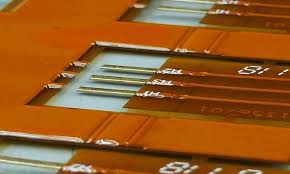
Are fpc pcb resistant to moisture and chemicals?
The main function of a PCB substrate is to separate the copper and prepreg layers in the circuit board, but it also provides strength and other essential features. There are many different types of PCB substrates to choose from, depending on the type of work that the circuit board will perform. For example, if the circuit board needs to withstand moisture, then a moisture-resistant material like FR-4 is recommended. This material is made of a polyimide resin that is polymerized with Bismaleimide and Aromatic Diamine, and it can withstand exposure to moisture and humidity.
Other materials to consider for waterproof PCBs include phenolic, epoxy and polytetrafluoroethylene (PTFE), which are often used in aerospace applications. PTFE offers excellent chemical and temperature resistance, while phenolic and epoxy offer good mechanical properties. FR-4, on the other hand, is an inexpensive and widely available material that can withstand most environmental conditions.
Other important features to consider for a flexible circuit board are the thickness and surface finish of the copper foil, cover coats and stiffeners. The cover coats protect the underlying layer from contamination, while the stiffeners help prevent the substrate from being damaged by excessive flexing or bending. In order to meet the requirements of a specific application, we can also incorporate shielding layers into the circuit board to reduce electromagnetic interference and ensure signal integrity. We can also use a special adhesive to bond the flexible circuit board to other components or enclosures.