
Air India Crash: FAA Flagged Fuel Control Switch Issue 7 Years Ago, DGCA Now Orders Inspection | Auto News

Last Updated:
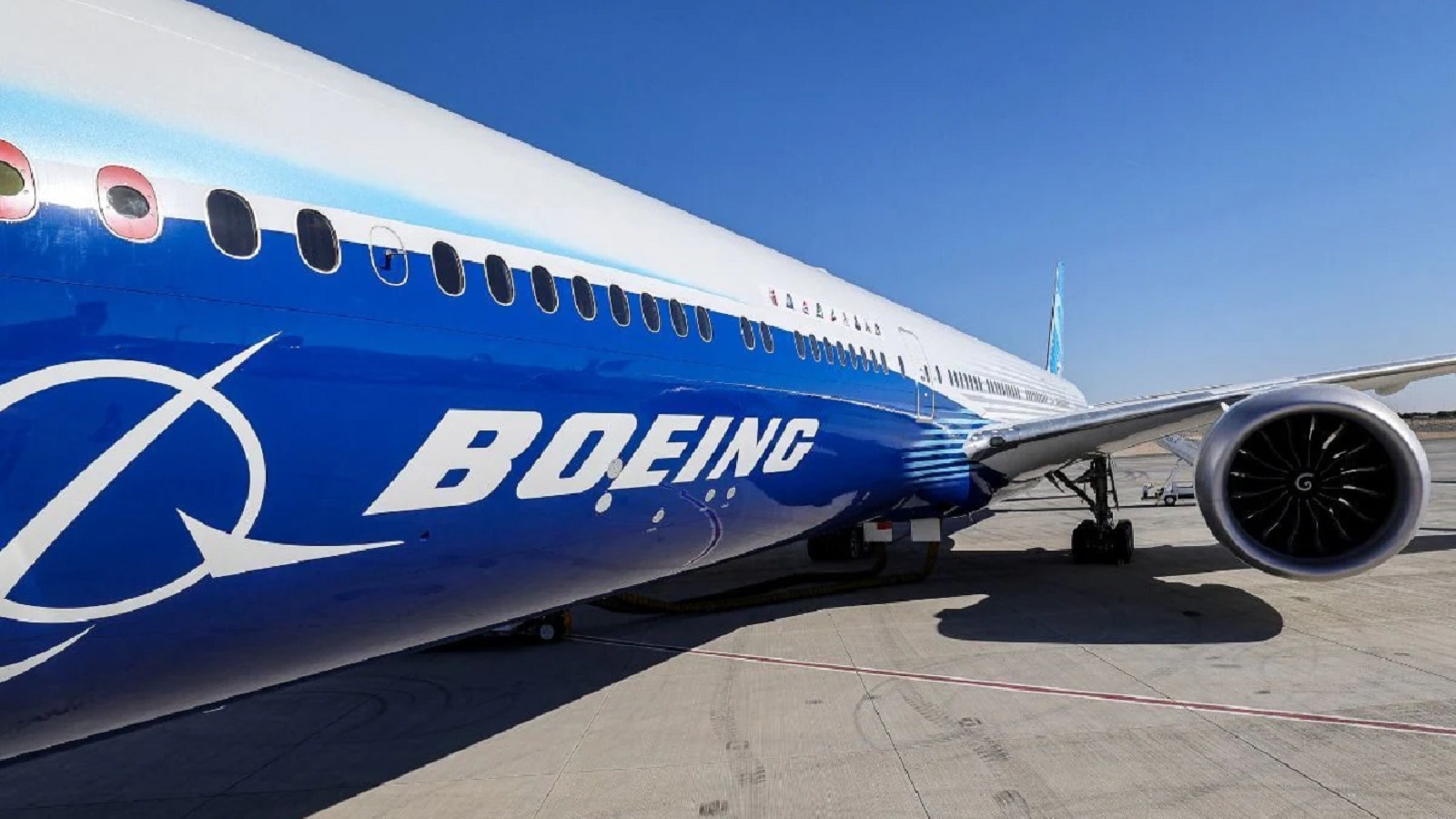
Air India Flight Crash: Boeing aircraft came under scanner after its 787 Dreamliner crashed in Ahmedabad on June 12
US planemaker Boeing has said it was ready to support Air India following the crash.
(Representational image)
Air India Flight Crash: India’s aviation regulator has ordered an inspection of the fuel control switch systems of Boeing and other aircraft operating in the country, following the Air India plane crash—nearly seven years after the Federal Aviation Administration (FAA) flagged the possible issue.
The move by the Directorate General of Civil Aviation (DGCA) came after a 15-page preliminary report on the Air India plane crash on June 12, which killed 260 people, revealed that the switches supplying fuel to the aircraft’s engines were turned off within a span of one second after take-off—one of the key factors behind the tragedy.
Fuel Cutoff To Final Cockpit Exchange: 10 Highlights From Air India Crash Probe’s Initial Report
The inspection is mandatory and should be completed by July 21, the DGCA said.
The aircraft models to be inspected include a wide range of Boeing planes such as the 737, 747, 757, 767, 777, and 787, along with older models like the 717 and 727, as well as some McDonnell Douglas aircraft (MD-11 and MD-90 series). Many Indian carriers operate these aircraft in their fleets.
The DGCA’s order, dated July 14, referred to a Special Airworthiness Information Bulletin
(SAIB) of the US aviation regulator dated December 17, 2018, “regarding the potential for disengagement of the fuel control switch locking feature” on several Boeing planes.
The safety bulletin, originally released by the FAA in December 2018, raised concerns that the fuel switch locking system could potentially disengage mid-flight, which could affect flight safety. In response, the DGCA has now asked all operators in India flying affected Boeing aircraft to inspect and fix the issue if needed.
The Ahmedabad crash was the first time that Boeing’s best-selling Dreamliner suffered a fatal accident resulting in hull loss.
However, AAIB’s report said at this stage of the investigation, “there are no recommended actions to B787-8 and/or GE GEnx-1B engine operators and manufacturers”. The plane that crashed was powered by GEnx-1B engines.
What Is Fuel Switch? How Does It Work?
On June 12, the London-bound Boeing 787 Dreamliner began to lose thrust almost immediately after taking off from the Ahmedabad airport and ploughed into a medical college hostel, killing all but one of the 242 onboard and another 19 on ground in the deadliest aviation accident in a decade.
The Aircraft Accident Investigation Bureau’s (AAIB) preliminary probe report on the fatal Air India plane accident has put the spotlight on the fuel switches of the crashed Boeing 787-8 and the confusion among the two pilots over the switches being cut off.
Fuel switches regulate the flow of fuel into an aircraft’s engines. The switch has two positions — ‘RUN’ and ‘CUT OFF’ — and are used to start or shut down engines.
According to a veteran pilot, the position of a fuel switch cannot be changed accidentally and there is a procedure in place.
The fuel switches are generally guarded with brackets so that there are no accidental movements. The switches have to be first pulled up before changing their position, the pilot said.
In a Boeing 787 Dreamliner, the fuel switches are located under the thrust levers. In the case of the ill-fated AI 171 flight, the fuel switches to the two engines of the aircraft were cut off within a gap of one second and later, they were switched on.
(with PTI inputs)
view comments
- First Published: