

certifications do flexible printed circuit manufacturers need
Flexible Printed Circuits (FPCs) play a critical role in modern electronics, serving applications in industries ranging from consumer electronics and automotive to aerospace and medical devices. Given the importance of these circuits in powering a wide array of technologies, manufacturers must adhere to stringent quality standards to ensure the reliability, durability, and safety of their products. To meet these high standards, flexible printed circuit manufacturers often pursue various certifications that demonstrate their compliance with industry regulations and best practices. These certifications are essential for assuring customers of the manufacturer’s commitment to producing high-quality, reliable circuits.
One of the most widely recognized certifications for flexible printed circuit manufacturers is ISO 9001. This certification represents the international standard for quality management systems (QMS). Achieving ISO 9001 certification requires manufacturers to implement and maintain a comprehensive QMS that ensures consistency and continual improvement in their processes. For FPC manufacturers, this certification is crucial because it verifies that their products meet the necessary quality standards and that their manufacturing processes are efficient, well-documented, and capable of producing consistent results. ISO 9001 also emphasizes customer satisfaction, risk management, and the documentation of processes, which are vital elements in ensuring that FPCs meet the specific requirements of clients and industries.
In addition to ISO 9001, many FPC manufacturers pursue ISO 13485 certification, particularly if they are involved in the production of medical devices or components used in healthcare applications. ISO 13485 is a standard for quality management systems specific to the medical device industry. It sets requirements for ensuring that medical devices and related services meet regulatory requirements and are safe for use. FPCs used in medical devices must adhere to strict regulations regarding product safety, traceability, and performance. Obtaining ISO 13485 certification helps manufacturers demonstrate that they have implemented robust quality control processes and can consistently deliver safe and reliable FPCs for medical applications.
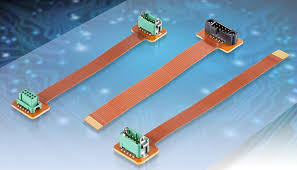
What certifications do flexible printed circuit manufacturers need?
For FPC manufacturers serving the automotive industry, obtaining IATF 16949 certification is often necessary. This standard, developed by the International Automotive Task Force (IATF), outlines the specific quality management system requirements for automotive manufacturers and suppliers. IATF 16949 focuses on continuous improvement, defect prevention, and the reduction of variation in the production process. Automotive-grade FPCs must meet strict durability and safety standards due to the demanding operating conditions in vehicles. IATF 16949 certification assures automotive companies that the FPC manufacturer has the capability to deliver products that meet these high standards.
Another important certification for flexible printed circuit manufacturers is UL certification. The Underwriters Laboratories (UL) certification is widely recognized for safety standards, particularly in the North American market. UL-certified FPCs have been tested for safety against fire hazards, electrical risks, and environmental conditions. For FPCs used in products that will be exposed to extreme temperatures, humidity, or other challenging conditions, obtaining UL certification ensures that the circuits are compliant with safety regulations and capable of withstanding the conditions of their intended application. UL certification is often required for products used in industries such as automotive, consumer electronics, and industrial applications.
Moreover, FPC manufacturers may pursue RoHS (Restriction of Hazardous Substances) compliance, especially if they produce products for the European Union market. RoHS certification ensures that the products are free from certain hazardous materials, including lead, mercury, and cadmium. This certification is particularly important as the global push for environmentally friendly products continues. Compliance with RoHS demonstrates the manufacturer’s commitment to reducing environmental impact and meeting the regulatory requirements of various international markets.
For manufacturers involved in the production of FPCs for electronics used in highly sensitive environments, such as aerospace or military applications, AS9100 certification may be required. AS9100 is a widely recognized quality management standard for the aerospace industry and includes specific requirements for manufacturing processes, risk management, and product quality in the aerospace and defense sectors. This certification helps ensure that FPCs used in these industries meet stringent safety, reliability, and performance standards.
Finally, ISO 14001 certification, which focuses on environmental management systems, is becoming increasingly important for FPC manufacturers. This certification demonstrates the manufacturer’s commitment to minimizing environmental impact, reducing waste, and improving energy efficiency throughout the production process. As industries increasingly prioritize sustainability, obtaining ISO 14001 certification helps FPC manufacturers stay ahead of regulatory requirements and appeal to environmentally-conscious consumers.
In conclusion, flexible printed circuit manufacturers require various certifications to ensure that their products meet the strict quality, safety, and regulatory standards required across different industries. Key certifications such as ISO 9001, ISO 13485, IATF 16949, UL, RoHS, and others help manufacturers demonstrate their commitment to producing high-quality, reliable circuits while ensuring compliance with industry-specific requirements. These certifications not only enhance the manufacturer’s reputation but also enable them to tap into new markets and build strong, trust-based relationships with customers.